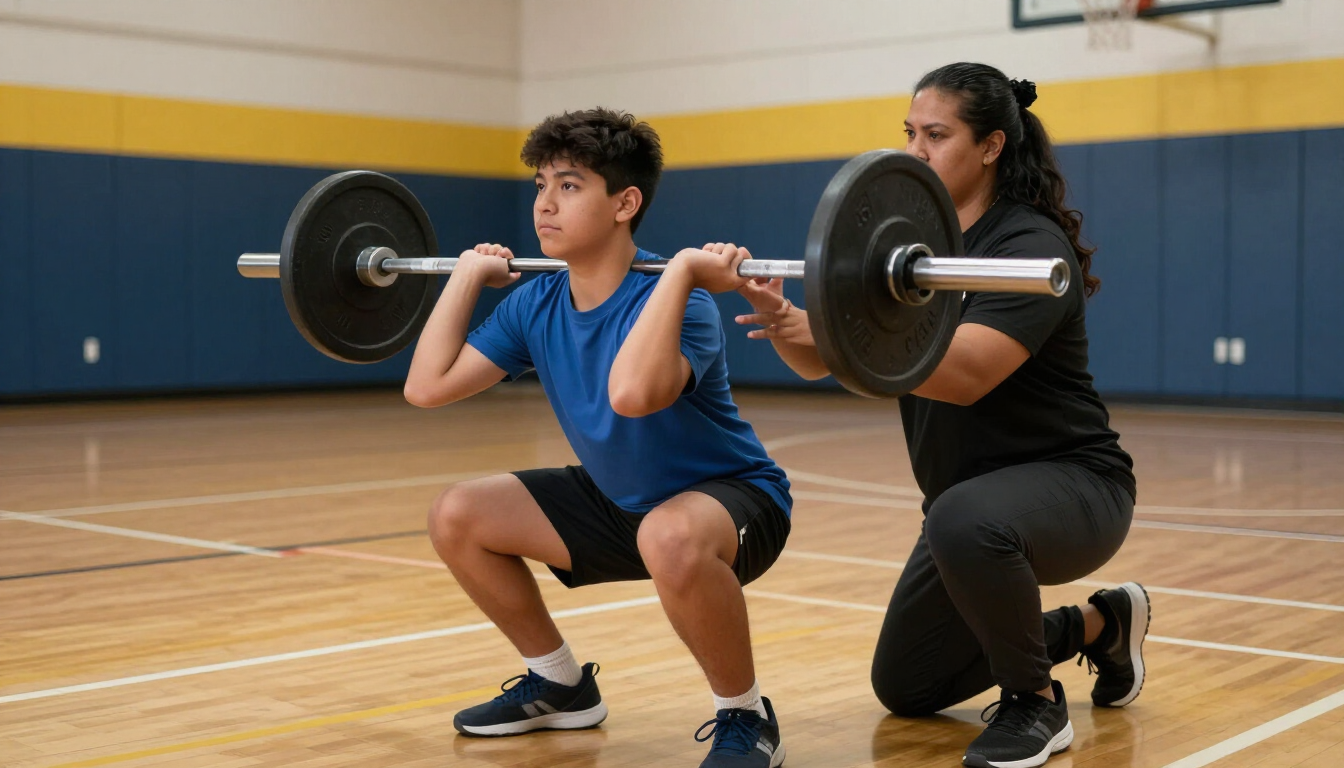
What to Expect in Your First Month of Lifting
Starting to lift is exciting, a little nerve-racking, and occasionally humbling, sometimes all in the same session. Knowing what is coming in your first month takes a lot of the sting out of it, and makes it more likely you will stick around long enough for it to become a habit.
Here is the main thing to know. In the first weeks, strength usually shows up before size. In a six-week study of beginners, leg strength had risen by about 15 percent after four weeks, and measurable increases in muscle thickness appeared by week six. Much of the early gain comes from your nervous system getting better at using the muscle you already have. That is why you can feel noticeably stronger before the mirror changes at all.
Your month at a glance
- Week 1: learn the movements with light weights.
- Week 2: settle into a routine and start nudging the weight.
- Week 3: the movements feel smoother, so keep progressing gradually.
- Week 4: review your log and plan the next month.
Week 1: learn the movements
Expect to feel clumsy. New movements feel awkward because your nervous system is still learning how to coordinate them, and that is normal. Keep the weights light, do two sets of each exercise, and put your attention on how the movement feels, not on the numbers. Nobody is judging your first-week squat. The exercise library and the form and technique guide show what to aim for, and the beginner's guide has a simple first-month structure.
Your first bout of soreness
In your first week or so, you will probably meet delayed onset muscle soreness, a dull ache that develops a day or two after training. It typically peaks between 24 and 72 hours afterward, according to a study on soreness. It is a normal response to something new and not a sign that you have hurt yourself. It also gets milder. The same study found that people had less pain after a second bout than after the first, because the muscles adapt quickly. Gentle movement, such as a walk, usually feels better than lying completely still. Sharp, sudden, or one-sided pain is different, and the form and technique guide explains how to tell them apart. For more, read the truth about muscle soreness.
Week 2: settle in
Pick two or three non-consecutive days and stick with them. Start moving up to three sets, and add a small amount of weight or a rep when you finish your sets cleanly. Start writing your workouts down, even just in your phone. See tracking your workouts. The workout plans give you a ready-made schedule.
Week 3: it starts to feel natural
For many people, something clicks around week three. The movements feel smoother, and adding weight begins to feel manageable. Some people also notice small changes in daily life, such as stairs feeling easier or groceries feeling lighter. Keep your increases small and steady, as described in progressive overload explained. Protect your recovery too, with sleep and rest days. See the recovery guide.
Week 4: the habit starts to outrun the motivation
By week four, showing up often stops feeling like a decision and starts to feel like part of your week. That matters more than any physical change. Habits do take longer to become automatic than most people expect. In one well-known study, the median time was 66 days, with a wide range from person to person, so give it time. For help sticking with it, read staying motivated for the long haul. At the end of the month, look back through your log. Note what went up, what felt hard, and plan the next four weeks.
What you probably will not see yet
You likely will not look dramatically different after thirty days. The early wins show up as strength, energy, and confidence, not as looks. Visible changes in shape usually take longer, and many people notice them after a couple of months of steady training. If you judge the whole effort by thirty days, it is easy to quit just before the changes start to show. Trust the numbers in your log until the mirror catches up.
If something does not feel right
Stop an exercise that causes sharp or joint pain, and see a doctor if pain does not settle, or if you notice swelling, numbness, or dizziness. Eating enough protein and sleeping well will help your recovery. See the nutrition page.
Do a little, often, for a long time. A first month built on that rule is the foundation of everything that comes after.
Safety note: This article is educational and is not a substitute for individualized medical or professional fitness advice. If you have a health condition or are unsure whether an exercise is right for you, please consult a qualified healthcare professional before you start.