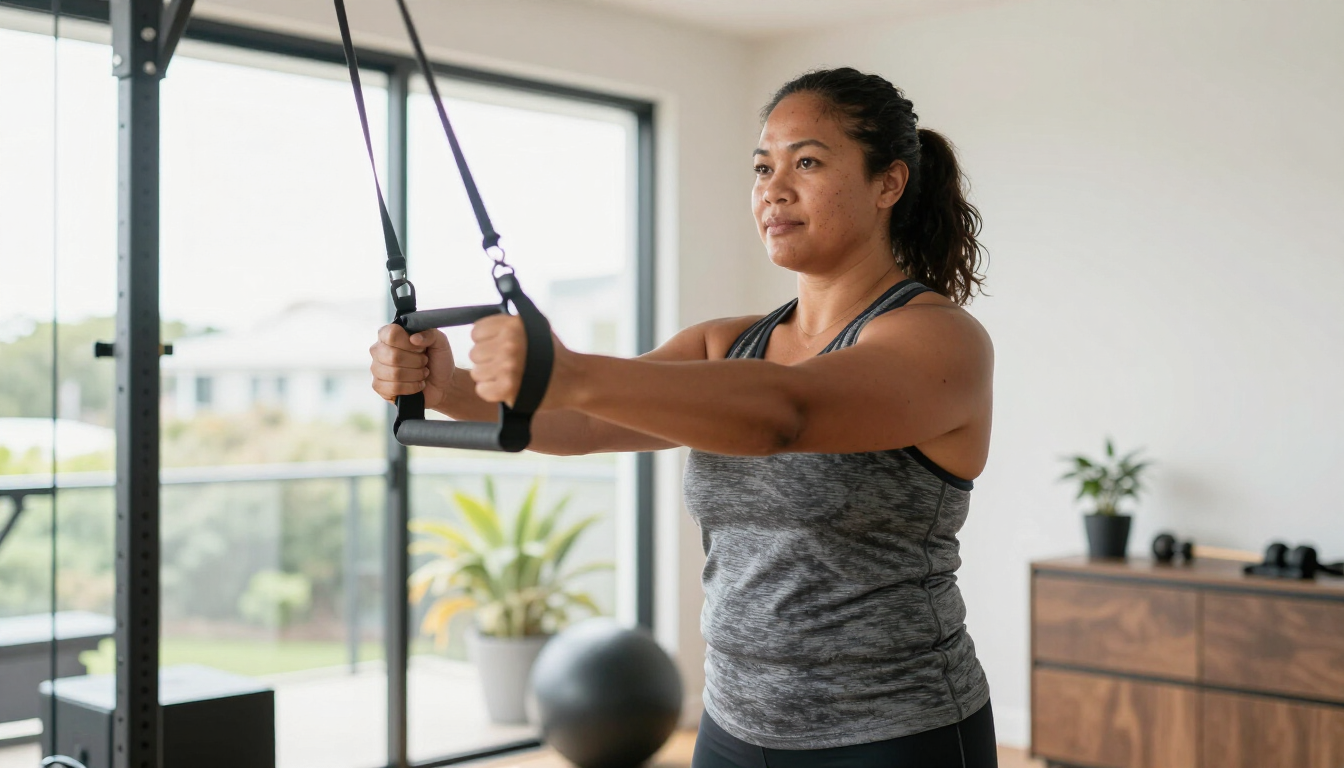
Building a Home Gym on a Budget: What You Actually Need
Scroll through fitness equipment ads for five minutes and you might think you need thousands of dollars of gear before you can train seriously at home. You do not. A beginner can build a capable home gym for a fraction of that, and starting small is often the smarter way to do it.
How it compares with a membership
Budget gyms often cost about $10 to $30 a month, and mid-range gyms about $30 to $80, according to a 2026 gym cost guide. That is roughly $120 to $960 a year, before fees. A starter home setup can cost about the same as one to two years at a budget gym, and you keep the equipment. Prices change and vary by brand and region, so treat all the ranges on this page as rough, and check current listings before you buy.
What to buy first
Start with the basics, and add only when you need to. Consumer Reports has called a set of adjustable dumbbells one of the smartest home gym purchases, because they replace several pairs of weights, as reported by News4Jax. Here is a sensible order, with typical price ranges.
- Adjustable dumbbells, roughly $150 to $400, or a resistance band set, roughly $15 to $40. Either one covers most beginner exercises.
- A mat, roughly $20 to $60, for floor work and for protecting your floor.
- A sturdy adjustable bench, roughly $100 to $300, for presses and rows.
- A pull-up bar, roughly $25 to $50, for back and arm work.
- A kettlebell or heavier dumbbells, once your current weights feel light.
Three starter budgets
- Under about $100: resistance bands, a mat, a sturdy chair, and a backpack for load. The home workout guide has routines for this setup.
- About $200 to $500: add adjustable dumbbells to the bands and mat.
- About $300 to $850: add a bench and a pull-up bar.
Buying secondhand
Buying used is often the smartest move for anything made of metal. A used iron dumbbell works exactly like a new one. Listings for barely used home gym gear are common. Check these before you pay:
- Dumbbells and plates: look for cracks, loose handles or collars, and deep rust pits. Light surface rust is usually fine.
- Benches: sit on it and rock it. It should not wobble, and the bolts and pads should be intact. Ask for the weight capacity.
- Adjustable dumbbells: test the adjustment mechanism through its full range. Most cannot be dropped, so avoid dropping them.
- Resistance bands: inspect for nicks and cracks, and buy new ones, since a snapped band can hurt.
- Pull-up bars: check the weight rating and whether it fits your door frame.
Where to spend a bit more
It is worth spending a little more on flooring and on a stable bench, since comfort and safety matter every session. Judge budget equipment by stability, weight capacity, and durability, not just price.
What to skip for now
Skip anything that promises results with no effort, large all-in-one machines, and gadgets that repeat what dumbbells and bands already do. You can always add equipment later, once you know what you use.
How much space you need
A clear patch of floor of about 6 by 6 feet is enough for the basics. Bands and a pair of adjustable dumbbells fit in a closet or drawer. For help deciding whether to train at home or at a gym, see home workouts versus the gym, the equipment guide, and progressive overload explained for how to add weight as you get stronger. If cost has been holding you back, you likely need far less than you think to start building real strength at home.
Keep reading
Safety note: This article is educational and is not a substitute for individualized medical or professional fitness advice. If you have a health condition or are unsure whether an exercise is right for you, please consult a qualified healthcare professional before you start.